


 English
 русский
 Español
 عربى
عربى 中文简体
中文简体

الكابلات الضوئية الفراشة FTTH: دليل التصميم العملي والتركيب والنشر
محتوى
- 1 What Are FTTH Butterfly Optic Cables
- 2 Structural Design and Materials
- 3 Advantages in FTTH Network Deployment
- 4 Typical Application Scenarios
- 5 Installation Best Practices
- 6 Selecting the Right FTTH Butterfly Optic Cable
- 7 Future Trends in FTTH Butterfly Optic Cables
- 8 ما هي الكابلات الضوئية الفراشة FTTH؟
- 9 التصميم الإنشائي والمواد
- 10 المزايا في نشر شبكة FTTH
- 11 سيناريوهات التطبيق النموذجية
- 12 أفضل ممارسات التثبيت
- 13 اختيار كابل FTTH Butterfly Optic المناسب
- 14 الاتجاهات المستقبلية في كابلات الفراشة الضوئية FTTH
What Are FTTH Butterfly Optic Cables
FTTH Butterfly Optic Cables, also known as flat drop fiber cables, feature a compact flat profile with optical fibers placed at the center and reinforced by parallel strength members on both sides. The outer sheath is typically LSZH or PVC, optimized for indoor and outdoor environments. This structural design enhances tensile strength while maintaining flexibility, which is critical for residential and commercial fiber access networks.
These cables are widely used in FTTH networks, fiber optic drop cable systems, and building entry solutions where space efficiency and mechanical reliability are required. Compared to traditional round cables, the butterfly configuration reduces bending stress and simplifies routing along walls, corners, and conduits.
Structural Design and Materials
Core Fiber Options
FTTH Butterfly Optic Cables typically use single-mode fibers such as G.657A1 or G.657A2, which offer superior bend resistance. These fibers are optimized for tight indoor routing and reduce signal loss in compact installation environments.
Strength Members and Sheathing
- FRP or steel wire strength members provide high tensile performance for aerial and indoor pulling.
- LSZH jackets improve fire safety and reduce toxic emissions in indoor fiber optic installations.
- UV-resistant PE sheaths allow outdoor and wall-mounted FTTH cable routing.
Advantages in FTTH Network Deployment
FTTH Butterfly Optic Cables provide a balance between durability and ease of installation. Their flat geometry prevents rolling and twisting during deployment, which significantly reduces installation time and labor costs in fiber access projects.
- Space-saving design suitable for indoor fiber distribution boxes and wall-mounted routing
- Improved bending performance for tight turns in apartments and office buildings
- High tensile strength for aerial FTTH drop cable installations
Typical Application Scenarios
These cables are widely deployed in last-mile fiber optic solutions where reliability and neat appearance are required. Common scenarios include residential FTTH access, commercial building fiber distribution, and campus network expansions.
| Application Area | Installation Environment | Key Benefit |
| Residential FTTH | Indoor / Outdoor | Easy routing and low signal loss |
| Commercial Buildings | Indoor shafts and corridors | Compact layout and fire safety |
| Aerial Drops | Outdoor spans | High tensile performance |
Installation Best Practices
Proper installation is essential to maintain optical performance and mechanical integrity. Installers should follow recommended bend radius guidelines and avoid excessive pulling forces during deployment.
- Use appropriate fiber clamps for flat drop cable profiles
- Maintain minimum bend radius, especially near terminals and ONT locations
- Secure cables evenly to prevent localized stress points
Selecting the Right FTTH Butterfly Optic Cable
Choosing the correct cable specification depends on installation environment, distance, and regulatory requirements. Factors such as fiber type, jacket material, and strength member composition directly affect long-term network performance.
For indoor-only projects, LSZH flat fiber drop cables are recommended. Mixed indoor-outdoor deployments benefit from UV-resistant jackets and enhanced tensile designs. Understanding these parameters ensures compatibility with existing FTTH infrastructure and reduces maintenance costs.
Future Trends in FTTH Butterfly Optic Cables
As gigabit broadband and smart home adoption continue to grow, FTTH Butterfly Optic Cables are evolving to support higher fiber counts, improved bend resistance, and faster installation techniques. Manufacturers are also focusing on eco-friendly materials and pre-terminated solutions to further simplify deployment.
These developments position butterfly optic cables as a long-term solution for scalable fiber access networks, supporting increasing bandwidth demands while maintaining cost efficiency.
' target="_blank"> كابلات الفراشة الضوئية FTTH تم تصميمها خصيصًا لتلبية الطلب المتزايد على عمليات نشر الألياف عالية السرعة إلى المنزل. يجمع هيكلها المسطح على شكل فراشة بين الألياف الضوئية وأعضاء القوة، مما يجعلها مثالية للأسلاك الداخلية، وتركيبات الكابلات المسقطة، وبناء شبكة الميل الأخير. تركز هذه المقالة على النشر العملي والميزات الهيكلية ومزايا الأداء وسيناريوهات التطبيق الواقعية لمساعدة مخططي الشبكات والقائمين بالتركيب وفرق المشتريات على اتخاذ قرارات مستنيرة.ما هي الكابلات الضوئية الفراشة FTTH؟
تتميز كابلات FTTH Butterfly Optic Cables، والمعروفة أيضًا بكابلات الألياف المسطحة المسطحة، بمظهر مسطح مدمج مع ألياف ضوئية موضوعة في المركز ومعززة بأعضاء قوة متوازية على كلا الجانبين. يكون الغلاف الخارجي عادةً من LSZH أو PVC، وهو مُحسّن للبيئات الداخلية والخارجية. يعزز هذا التصميم الهيكلي قوة الشد مع الحفاظ على المرونة، وهو أمر بالغ الأهمية لشبكات الوصول إلى الألياف السكنية والتجارية.
تُستخدم هذه الكابلات على نطاق واسع في شبكات FTTH، وأنظمة كابلات إسقاط الألياف الضوئية، وحلول دخول المباني حيث تتطلب كفاءة المساحة والموثوقية الميكانيكية. بالمقارنة مع الكابلات المستديرة التقليدية، فإن تكوين الفراشة يقلل من إجهاد الانحناء ويسهل التوجيه على طول الجدران والزوايا والقنوات.
التصميم الإنشائي والمواد
خيارات الألياف الأساسية
تستخدم كابلات FTTH Butterfly Optic عادةً أليافًا أحادية الوضع مثل G.657A1 أو G.657A2، والتي توفر مقاومة فائقة للانحناء. تم تحسين هذه الألياف لتوجيه داخلي محكم وتقليل فقدان الإشارة في بيئات التثبيت المدمجة.
أعضاء القوة والتغليف
- توفر أعضاء قوة الأسلاك الفولاذية أو FRP أداء شد عاليًا للسحب الجوي والداخلي.
- تعمل سترات LSZH على تحسين السلامة من الحرائق وتقليل الانبعاثات السامة في منشآت الألياف الضوئية الداخلية.
- تسمح أغلفة PE المقاومة للأشعة فوق البنفسجية بتوجيه كابل FTTH خارجيًا ومثبتًا على الحائط.
المزايا في نشر شبكة FTTH
توفر كابلات FTTH Butterfly Optic التوازن بين المتانة وسهولة التركيب. تمنع هندستها المسطحة التدحرج والالتواء أثناء النشر، مما يقلل بشكل كبير من وقت التثبيت وتكاليف العمالة في مشاريع الوصول إلى الألياف.
- تصميم موفر للمساحة مناسب لصناديق توزيع الألياف الداخلية والتوجيه المثبت على الحائط
- تحسين أداء الانحناء للمنعطفات الضيقة في الشقق ومباني المكاتب
- قوة شد عالية لتركيبات كابلات إسقاط FTTH الجوية
سيناريوهات التطبيق النموذجية
يتم نشر هذه الكابلات على نطاق واسع في حلول الألياف الضوئية للميل الأخير حيث تتطلب الموثوقية والمظهر الأنيق. تشمل السيناريوهات الشائعة الوصول إلى FTTH السكني، وتوزيع ألياف المباني التجارية، وتوسيع شبكة الحرم الجامعي.
| منطقة التطبيق | بيئة التثبيت | الفائدة الرئيسية |
| FTTH السكنية | داخلي / خارجي | سهولة التوجيه وفقدان الإشارة المنخفض |
| المباني التجارية | مهاوي وممرات داخلية | تصميم مدمج والسلامة من الحرائق |
| قطرات جوية | يمتد في الهواء الطلق | أداء الشد العالي |
أفضل ممارسات التثبيت
يعد التثبيت الصحيح أمرًا ضروريًا للحفاظ على الأداء البصري والسلامة الميكانيكية. يجب على القائمين على التركيب اتباع إرشادات نصف قطر الانحناء الموصى بها وتجنب قوى السحب المفرطة أثناء النشر.
- استخدم مشابك الألياف المناسبة لملفات الكابلات المسطحة
- حافظ على الحد الأدنى من نصف قطر الانحناء، خاصة بالقرب من المحطات الطرفية ومواقع ONT
- قم بتأمين الكابلات بالتساوي لمنع نقاط الضغط الموضعية
اختيار كابل FTTH Butterfly Optic المناسب
يعتمد اختيار مواصفات الكابل الصحيحة على بيئة التثبيت والمسافة والمتطلبات التنظيمية. تؤثر عوامل مثل نوع الألياف ومواد الغلاف وتكوين أعضاء القوة بشكل مباشر على أداء الشبكة على المدى الطويل.
بالنسبة للمشروعات الداخلية فقط، يوصى باستخدام كابلات الألياف المسطحة LSZH. تستفيد عمليات النشر الداخلية والخارجية المختلطة من السترات المقاومة للأشعة فوق البنفسجية وتصميمات الشد المحسنة. إن فهم هذه المعلمات يضمن التوافق مع البنية التحتية الحالية لـ FTTH ويقلل من تكاليف الصيانة.
الاتجاهات المستقبلية في كابلات الفراشة الضوئية FTTH
مع استمرار نمو النطاق العريض جيجابت والمنزل الذكي، تتطور كابلات FTTH Butterfly Optic لدعم عدد أكبر من الألياف، ومقاومة الانحناء المحسنة، وتقنيات التثبيت الأسرع. يركز المصنعون أيضًا على المواد الصديقة للبيئة والحلول المعدة مسبقًا لزيادة تبسيط عملية النشر.
تضع هذه التطورات كابلات الفراشة الضوئية كحل طويل الأمد لشبكات الوصول إلى الألياف القابلة للتطوير، مما يدعم زيادة متطلبات عرض النطاق الترددي مع الحفاظ على كفاءة التكلفة.
منتجات ذات صله
-
كابل OPPC لموصل الطور البصري
-
GYXTW الكابلات الضوئية الخارجية المدرعة ذات الأنبوب المركزي
-
كابلات تصحيح الألياف الضوئية
-
سلك أرضي علوي مركب من الألياف الضوئية OPGW
-
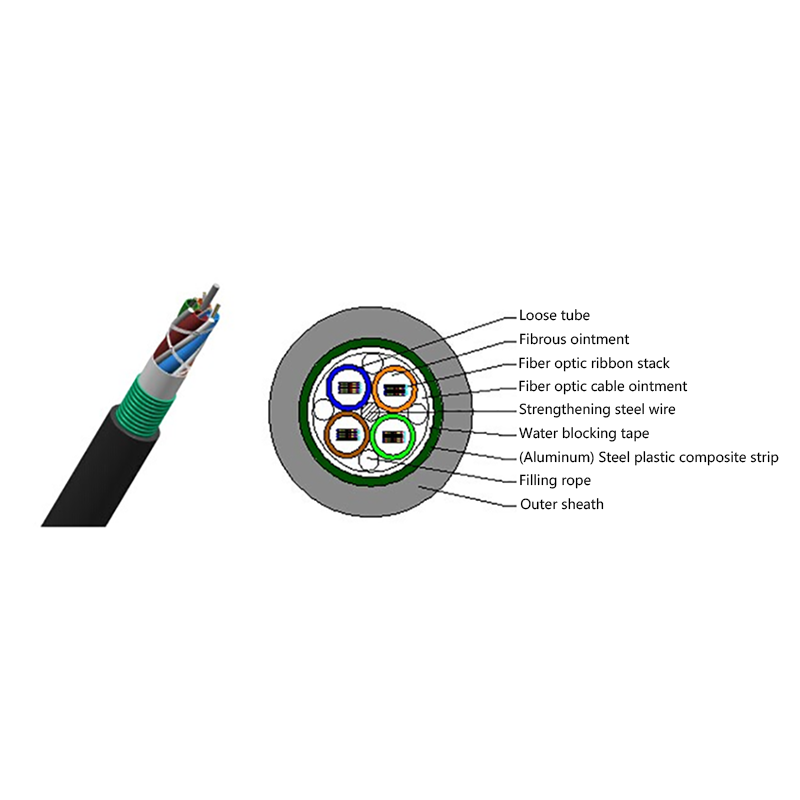
كابل شريط الألياف الضوئية ذو الطبقة GYDTA(S).
-
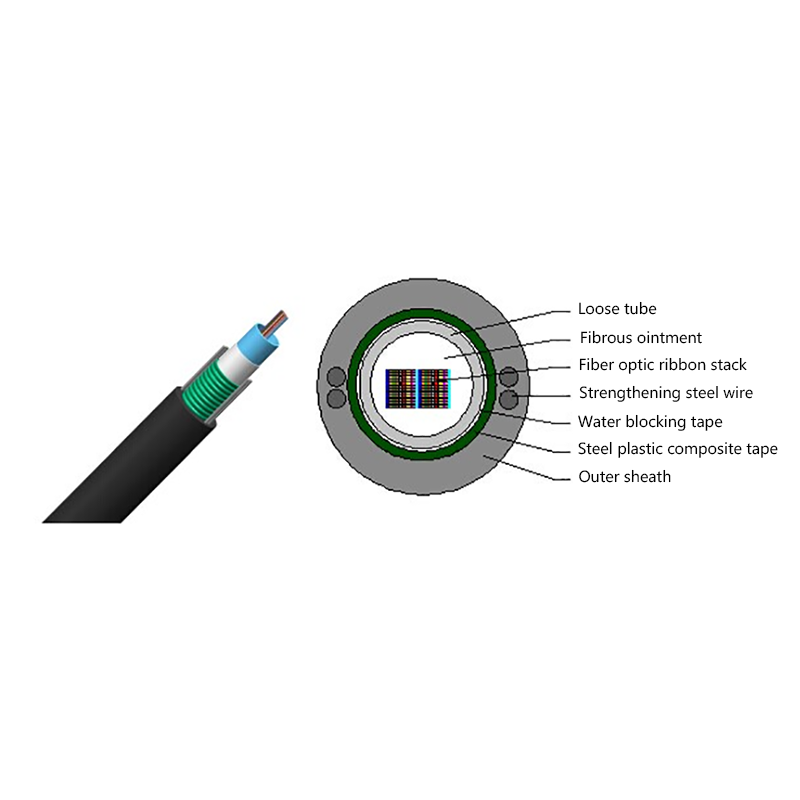
كابل شريط الألياف الضوئية الخارجي ذو الأنبوب المركزي GYDXTW
-
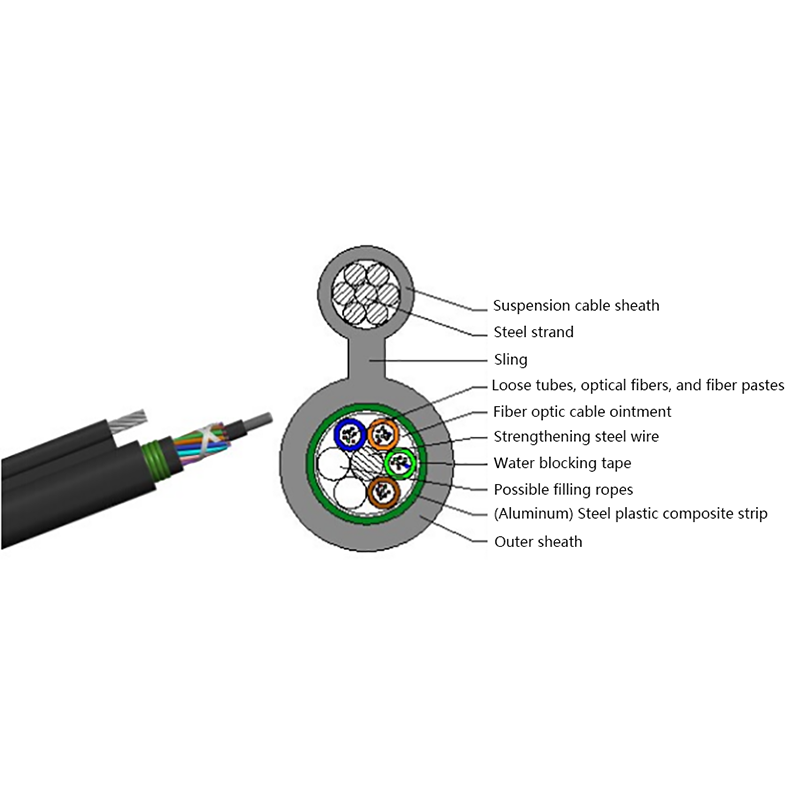
GYTC8A (S) كبل بصري ذاتي الدعم ذو 8 طبقات في الهواء الطلق
-
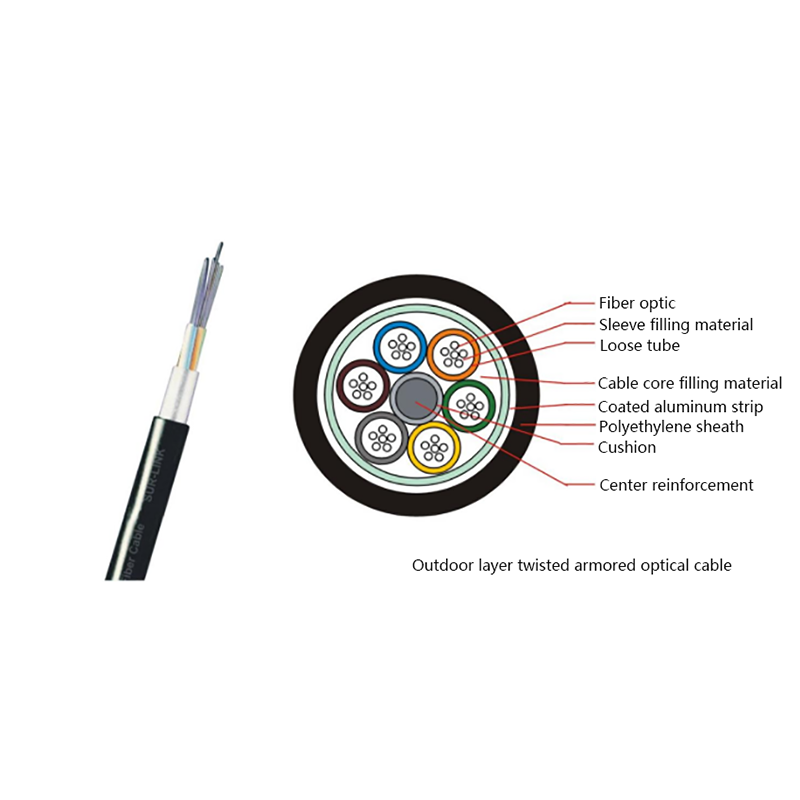
كابل ضوئي خارجي مغلف بطبقة من الألومنيوم والبولي إيثيلين من GYTA
-
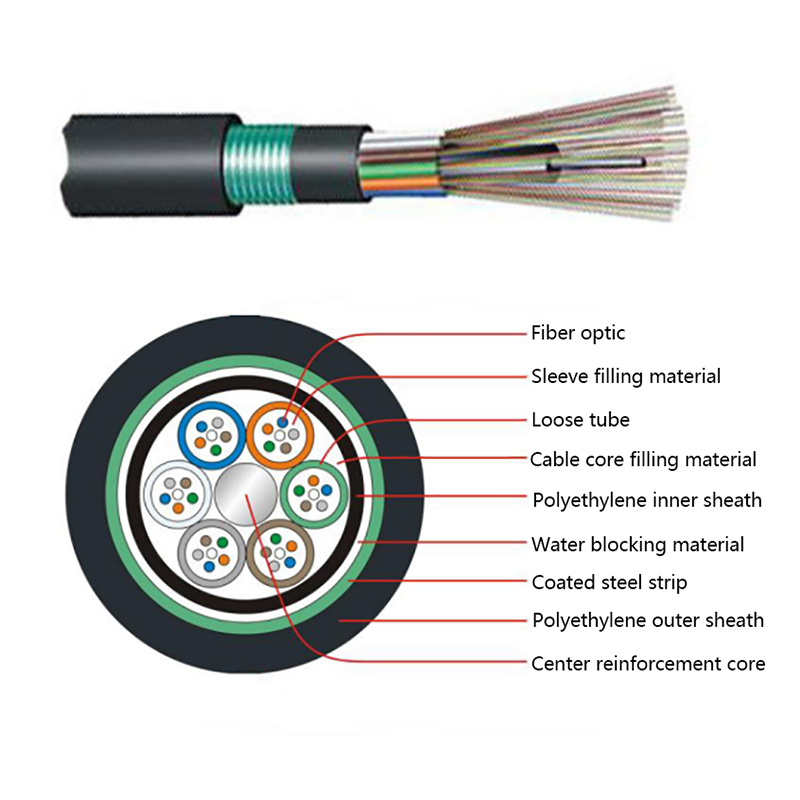
GYTY53 الكابلات البصرية ذات الغلاف الخارجي المدرع بشريط فولاذي داخلي مُغلف بطبقة PE
-
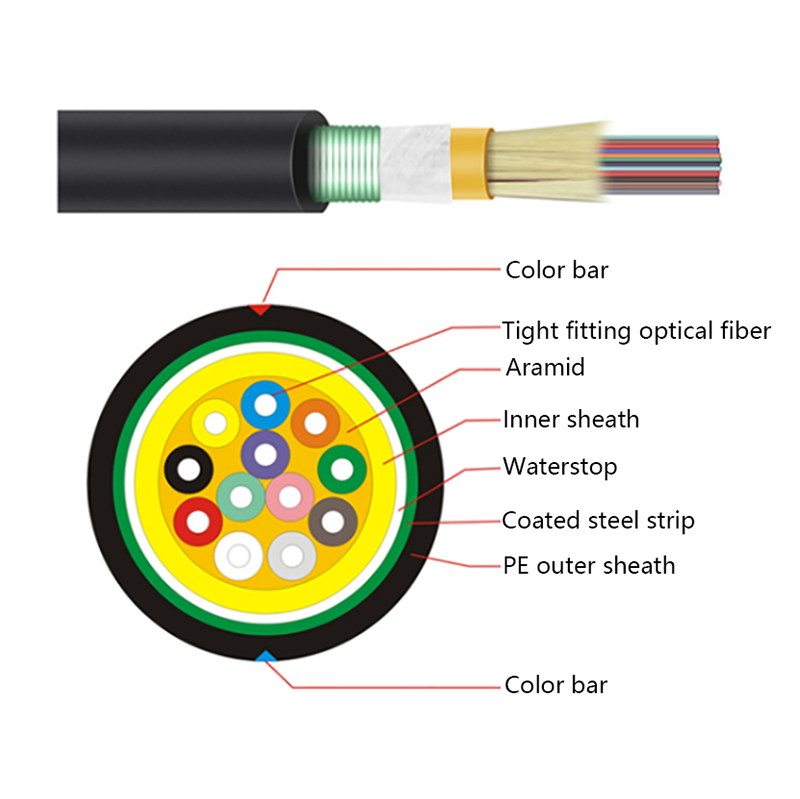
كابل بصري مدرع بشريط فولاذي داخلي GJFJH53
-
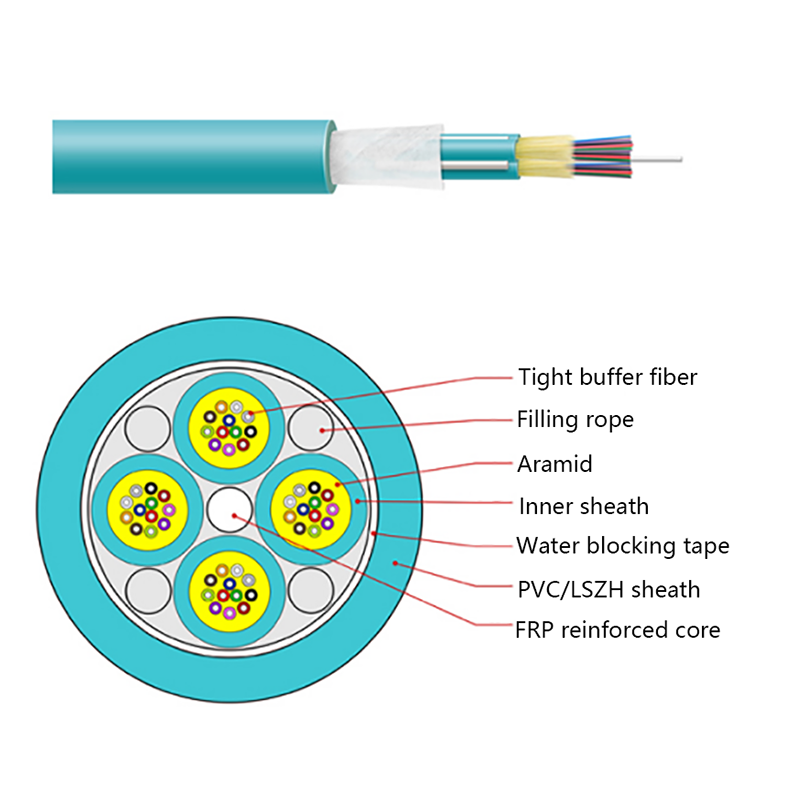
GJPFJV GJFJHV كابل بصري فرعي داخلي
-
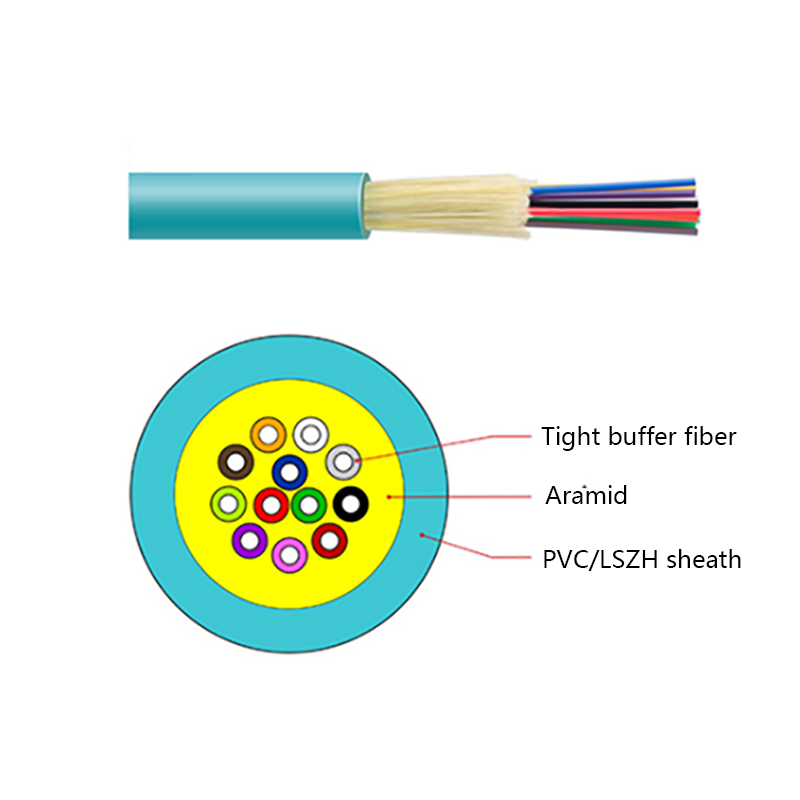
GJFJV كابلات الألياف الضوئية الداخلية ذات الحزمة الواحدة
-
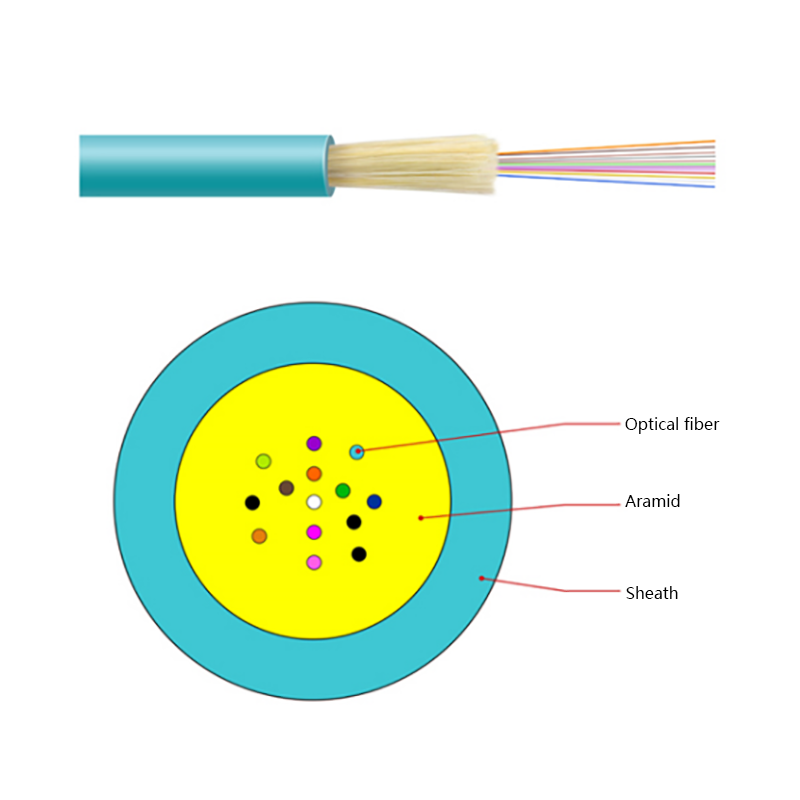
حزمة كابلات الألياف الضوئية الداخلية الصغيرة GJFV
-
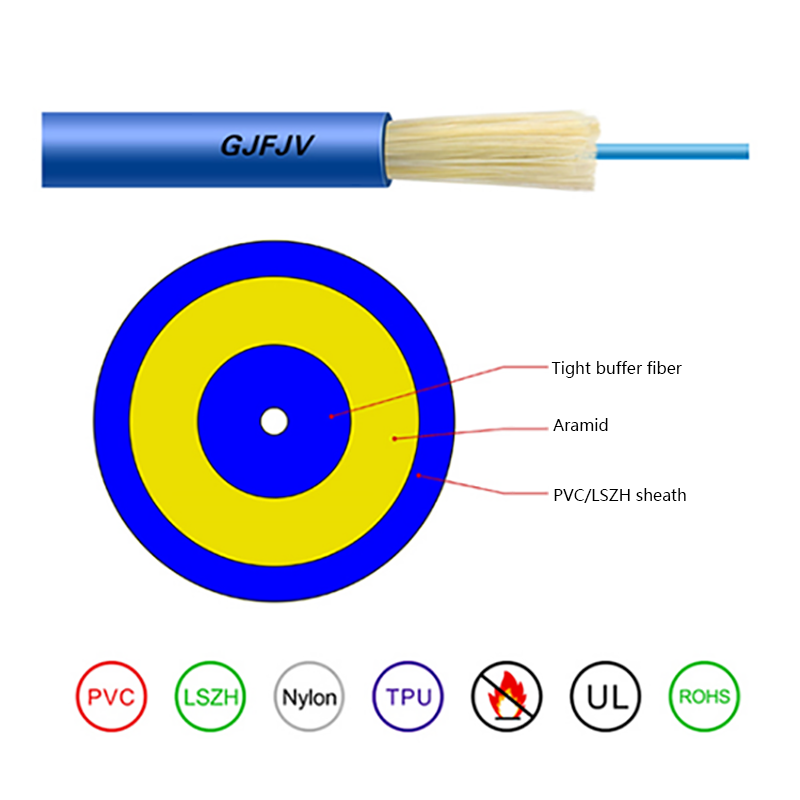
GJFJV كابل بصري سلك توصيل داخلي أحادي النواة
هل تبحث عن فرصة عمل؟
طلب مكالمة اليوم

- الهاتف: +86-139-6297-6666
- Whatsapp: +86-13962991888
- صندوق البريد الإلكتروني: [email protected] / [email protected]
- العنوان: رقم 18، طريق شينجينغ، منطقة نانتونغ للتنمية الاقتصادية والتكنولوجية، مقاطعة جيانغسو، الصين
منتجات
رسالة
حقوق النشر 2023 Jiangsu Hawell Optoelectronic Technology Co., Ltd. الاحتفاظ بحق الملكية
 مصنعي الكابلات الضوئية المخصصة
مصنعي الكابلات الضوئية المخصصة